
Walk through almost any UK supermarket in 2026 and the protein trend is difficult to miss. Yoghurts, cereals, ready meals, snack bars and puddings now carry prominent protein messaging. A useful high protein foods list, however, should do more than chase packaging claims. The best choices are everyday foods that provide protein alongside vitamins, minerals, fibre or healthy fats, while fitting your budget and routine.
Protein supports the growth, repair and maintenance of body tissues, including muscle. UK guidance puts the adult Reference Nutrient Intake at about 0.75g per kilogram of body weight per day, commonly expressed as roughly 55g for an average man and 45g for an average woman. Needs vary with body size, age, health and training level, and most UK adults already consume enough. The goal is not to eat as much protein as possible, but to choose varied protein sources within a balanced diet.
How to use this high protein foods list
Protein figures vary by brand, cut, cooking method and portion size, so treat the numbers below as practical estimates. Check the nutrition panel when comparing supermarket products. A food labelled “high protein” is not automatically the healthiest option; look at calories, saturated fat, salt, sugar and fibre too.
For most people, spreading protein rich foods across breakfast, lunch, dinner and snacks is easier than catching up with one oversized evening meal. Pair them with vegetables or fruit, higher-fibre carbohydrates and a little unsaturated fat. That pattern is closer to the NHS Eatwell Guide than building every plate around protein alone.
High protein breakfast foods
Greek yoghurt, skyr and high-protein yoghurt
Plain Greek yoghurt and skyr are convenient UK supermarket staples. Depending on the product, a pot can provide around 15g to 25g of protein. Choose plain or lower-sugar versions, then add berries, oats or seeds. Check labels because “Greek-style” yoghurt can contain less protein than strained Greek yoghurt.
Eggs
One medium egg provides roughly 6g to 7g of protein. Two eggs on wholegrain toast, perhaps with tomatoes, mushrooms or spinach, create a filling breakfast without specialist products. Eggs are also useful for packed lunches and high protein snacks.
Cottage cheese, milk and oats
Cottage cheese often supplies around 11g to 13g per 100g. Cow’s milk provides about 3g to 4g per 100ml, while unsweetened fortified soya drink is usually the closest plant-based alternative for protein. Oats contain some protein, but become more substantial when cooked with milk or soya drink and topped with yoghurt or nut butter.
Protein-rich foods for lunch
Chicken and turkey
Cooked skinless chicken or turkey breast typically provides about 28g to 32g per 100g. Use it in sandwiches, wraps, grain bowls and salads. Choose plain cooked meat more often than heavily processed slices, which can be high in salt.
Tinned tuna, salmon and sardines
Tinned fish is one of the most convenient protein sources in UK cupboards. A drained tin of tuna can deliver roughly 25g or more, while salmon and sardines add omega-3 fats. The NHS recommends at least two portions of fish each week, including one portion of oily fish. Watch the salt content of flavoured tins and rotate tuna with other fish.
Beans, lentils and chickpeas
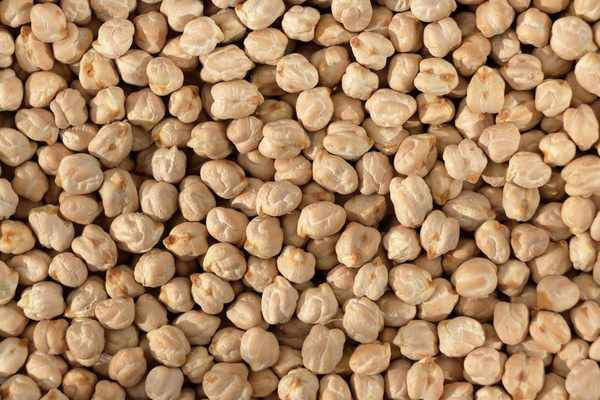
Cooked pulses generally offer around 7g to 9g per 100g, plus fibre. They are affordable, filling and easy to use in soups, curries, salads and baked potatoes. Combining pulses with wholegrains creates satisfying meals with a broader range of amino acids.
Tofu, tempeh and edamame
Firm tofu commonly provides around 12g to 18g per 100g, while tempeh is often closer to 18g to 20g. Edamame offers roughly 11g to 13g per 100g and works well in salads or noodle bowls. These are valuable options for vegetarian and vegan diets.
Best muscle building foods for dinner
Lean meat and fish
Lean beef, pork loin, chicken, turkey, white fish and prawns can all form the protein centre of an evening meal. A normal cooked portion often provides 25g to 40g. Choose lean cuts, trim visible fat and keep processed meats such as bacon, sausages and ham less frequent, in line with NHS guidance.
Plant-based dinner options
Lentil dhal, bean chilli, tofu stir-fry, tempeh curry and soya mince bolognese can all be protein-rich. Increase the protein with a generous pulse or tofu portion and serve it with wholegrain rice, quinoa or wholewheat pasta. For muscle building, resistance training and adequate overall energy matter just as much as the protein source.
High protein snacks from UK supermarkets
Useful choices include a pot of skyr, cottage cheese with fruit, two boiled eggs, roasted edamame, hummus with vegetables, a small tin of fish, milk or fortified soya drink, and a measured portion of nuts. Protein bars and shakes can be convenient, but they are optional. Compare their protein with their price, calories, sugar and saturated fat; an ordinary yoghurt or egg-based snack may offer better value.
Budget-friendly protein shopping tips
Eggs, dried lentils, tinned beans, own-brand yoghurt, frozen fish and tinned sardines are dependable low-cost picks. Compare price per kilogram rather than pack price, and remember that bone, skin, sauces and cooking losses affect value. Batch-cooking chilli, dhal or chicken dishes can reduce reliance on expensive ready meals.
Use supermarket labels to compare similar products. A larger protein number is not always better if the food is also very salty or high in saturated fat. Rotating meat, fish, dairy, eggs, pulses, nuts and soya foods also gives you a wider range of nutrients.
Frequently asked questions
How much protein do adults need in the UK?
The adult UK Reference Nutrient Intake is about 0.75g per kilogram of body weight each day. Individual needs can be higher in some circumstances, so people with medical conditions, poor appetite or intensive training schedules may benefit from personalised professional advice.
What food has the most protein?
Lean cooked meat, poultry, fish and some cheeses are among the most concentrated common foods. The best choice still depends on the whole nutritional package, portion, cost and your preferences.
Can I get enough protein without meat?
Yes. Soya foods, beans, lentils, chickpeas, peas, nuts, seeds, eggs and dairy can meet protein needs. Vegans should eat a varied diet and consider nutrients such as vitamin B12, iodine, iron, calcium and vitamin D as well as protein.
Do I need protein powder to build muscle?
No. Most people can meet their needs through food. Protein powder is a convenience, not a requirement. Regular resistance exercise, enough food overall, sleep and consistent training are essential for gaining muscle.
Build a balanced protein routine
A practical high protein foods list is built around familiar choices, not constant supplementation. Start with one reliable protein source at each meal, add vegetables or fruit and higher-fibre carbohydrates, and use snacks when they suit your appetite and goals. This supports muscle and hunger management without turning every supermarket shop into a search for the biggest number on the label.