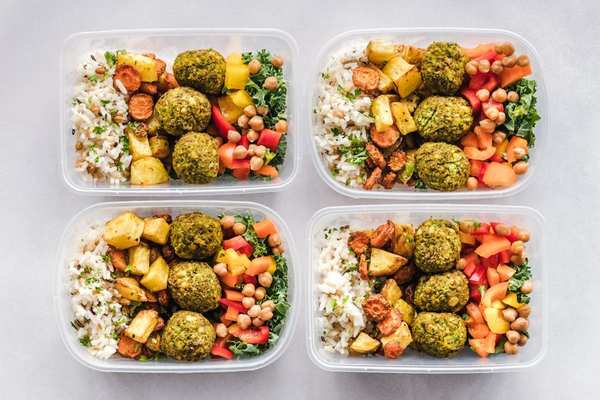

Meal prep can sound like a Sunday afternoon spent filling a fridge with identical plastic boxes. For most beginners, that approach is unnecessary and difficult to maintain. A better starting point is to prepare a few useful building blocks that make weekday meals quicker without deciding every breakfast, lunch and dinner in advance.
For a busy UK household, the aim is simple: reduce last-minute cooking, convenience purchases and food waste. You might cook one main dish, prepare two flexible sides and portion a few snacks. That is enough to make a noticeable difference while keeping meals varied.
Start with the meals that cause the most stress
Do not try to prepare an entire week on your first attempt. Look at your schedule and identify two or three difficult moments. Perhaps Monday lunch is rushed, Wednesday evening ends in a takeaway, or you regularly skip breakfast before commuting. Those are the meals worth preparing first.
A realistic beginner plan might cover three work lunches and two evening meals. Leave space for freshly cooked food, social plans and leftovers. This flexible approach to meal prep for beginners in the UK works around work patterns, supermarket shops and family routines rather than demanding a perfect timetable.
Use a simple meal-building formula
Choose a protein, a carbohydrate, vegetables and something that adds flavour. For example, roast chicken or chickpeas can be paired with brown rice, peppers and courgettes, then finished with yoghurt dressing or pesto. The same ingredients can become a grain bowl, wrap filling or quick dinner with salad.
Use the UK Eatwell Guide as a broad reference. Aim for variety, include plenty of fruit and vegetables, choose higher-fibre starchy foods where practical, and rotate beans, pulses, eggs, fish, meat or other protein sources. You do not need a perfectly balanced plate in every container; the overall pattern across the day or week matters more.
Choose a prep style you can repeat
Full meal prep means cooking complete portions ready to heat. Batch cooking means making a larger quantity of one dish, such as chilli, curry or soup. Ingredient prep means washing, chopping or cooking components that can be combined later. Most beginners find a mixture of batch cooking and ingredient prep easier than preparing seven finished meals.
Try cooking one freezer-friendly main dish, one tray of vegetables and one versatile carbohydrate. A lentil and vegetable chilli, roasted seasonal vegetables and rice could provide Sunday dinner, Monday lunch and a freezer portion. The vegetables can also go into an omelette or pasta dish, preventing the week from feeling repetitive.
Plan before you shop
Check the fridge, freezer and cupboards first. Build your plan around ingredients that need using, then write a short shopping list for the gaps. This prevents duplicate purchases and helps turn prep ahead meals into a money-saving habit rather than an excuse to buy specialist ingredients.
Choose recipes with overlapping ingredients. If one meal needs spinach, peppers and Greek-style yoghurt, find a second meal that uses the same items. This is also where a weekly meal planning routine can reduce waste.
Use containers that suit the food
You do not need an expensive matching set of meal prep containers. Start with food-safe containers you already own, provided the lids fit securely and they are suitable for the fridge, freezer or microwave as required. A few different sizes are more useful than one uniform shape.
Use shallow containers for cooked food so it cools more quickly. Keep sauces or crisp toppings separate, and leave room in freezer containers because some foods expand. Label frozen portions with the dish and date; mystery boxes are far less likely to become dinner.
Follow safe cooling, storage and reheating habits
The Food Standards Agency advises cooling cooked leftovers and placing them in the fridge within two hours. Eat refrigerated leftovers within 48 hours or freeze them when that will not be possible.
When reheating, heat food until it is steaming hot throughout and reheat it only once. Stir microwave meals and check the centre, as food can be hot around the edges while remaining cool in the middle. Rice needs careful handling too: cool it quickly, refrigerate it promptly and do not leave it at room temperature.
A practical 60-minute starter session
Imagine you need lunches for Monday to Wednesday and one quick evening meal. Put a tray of chicken thighs or seasoned chickpeas in the oven. Cook rice or another grain, then roast peppers, onions and broccoli on a second tray. While everything cooks, mix a simple dressing and portion fruit or yoghurt for snacks.
Once cooled safely, divide three lunch portions. Keep the remaining protein and vegetables separate so they can become Tuesday evening wraps or be added to pasta. In about an hour, you have reduced several weekday decisions without filling every fridge shelf.
On the next attempt, note what worked. If the rice became dry, store the sauce separately and add it after reheating. If you became bored by day three, freeze one portion immediately. Healthy meal prep succeeds through small adjustments, not strict rules. A collection of freezer-friendly recipes can also help you build variety over time.
Common beginner mistakes to avoid
Preparing too much is the most common problem. Start with fewer portions than you think you need, especially when testing a new recipe. Another mistake is choosing meals that do not store well. Dressed salads, crispy coatings and delicate herbs may lose their appeal, while curries, stews, roasted vegetables and grain-based dishes often hold up better.
Do not ignore texture and flavour. Add fresh elements at serving time, such as lemon, chopped herbs, toasted seeds or yoghurt. Avoid making the process unnecessarily complicated. Several pans and five recipes create more washing-up than convenience. Repeating ingredients and cooking methods keeps the system manageable and can support budget-friendly family meals.
Frequently asked questions
How many days should a beginner meal prep for?
Begin with two or three days. This gives you enough benefit to test the routine while reducing boredom and waste. Freeze extra portions rather than keeping a full week of cooked leftovers in the fridge.
What are the best foods for beginner meal prep?
Good options include soups, chilli, curry, cooked grains, roasted vegetables, pasta sauces, boiled eggs and sturdy raw vegetables. Choose foods you already enjoy and understand how to store safely.
Can meal prep save money in the UK?
It can, particularly when you plan around food already at home, use a shopping list, prepare work lunches and freeze surplus portions. Savings disappear when you buy too many ingredients or prepare food that goes uneaten.
Do I need to meal prep on Sunday?
No. Choose the day that fits your schedule. Some people prefer a shorter Sunday session plus a midweek top-up, while shift workers may prepare food after their main supermarket shop.
Build a routine, not a perfect fridge
The most useful meal-prep system is one you can repeat during an ordinary week. Prepare the meals that usually cause problems, cook a few flexible components, store them safely and adjust the quantity as you learn. A modest plan that saves time twice a week is more valuable than an ambitious routine abandoned after one Sunday.