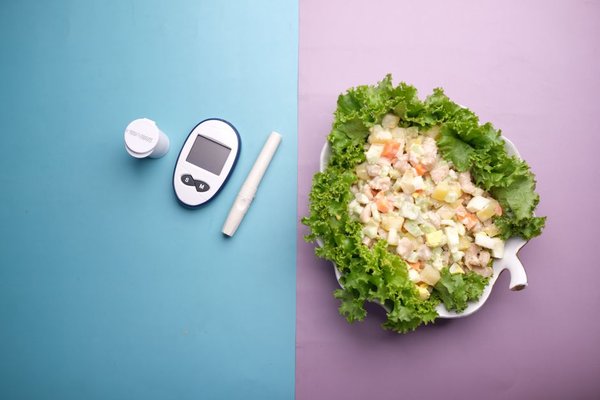

A gut-friendly week does not need expensive powders, strict exclusions, or unfamiliar ingredients. The most useful starting point is variety: different plant foods provide different fibres that gut microbes can use. This UK-friendly plan builds that variety through oats, wholegrains, beans, lentils, fruit, vegetables, nuts, seeds, and optional fermented foods.
It is a general meal guide rather than a treatment for digestive disease. If you have persistent pain, blood in your stool, unexplained weight loss, severe diarrhoea, inflammatory bowel disease, coeliac disease, a weakened immune system, or medically prescribed dietary restrictions, speak to a GP or registered dietitian before making major changes.
How to Follow This Gut Health Diet Plan
UK guidance encourages adults to work towards about 30g of fibre a day, eat at least five portions of varied fruit and vegetables, choose wholegrain starchy foods where possible, and drink around six to eight cups or glasses of fluid daily. Increase fibre gradually if your current intake is low, because a sudden jump can cause wind or bloating.
This gut microbiome diet uses supermarket foods and flexible portions. Swap ingredients for affordable equivalents, use frozen vegetables when convenient, and choose unsweetened yoghurt or a fortified plant alternative. Fermented foods are optional, not proven cures. Start with a small serving and stop if symptoms worsen.
Your Seven-Day Meal Guide
Day 1: Begin with Oats and Familiar Fibre
Breakfast: porridge made with milk or a fortified alternative, topped with a sliced banana, berries, and a spoonful of ground flaxseed. Lunch: wholemeal toast with baked beans and grilled tomatoes. Dinner: baked salmon or tofu, skin-on potatoes, peas, and carrots. Snack: an apple with a small handful of unsalted nuts.
Oats, banana, beans, vegetables, and flaxseed create a broad fibre base without making the first day overly complicated. Drink water regularly and notice how your digestion responds rather than chasing an immediate transformation.
Day 2: Add Pulses Without Overloading the Plate
Breakfast: plain live yoghurt or plant yoghurt with oats, pear, and pumpkin seeds. Lunch: lentil and vegetable soup with wholegrain bread. Dinner: chicken, chickpea, or vegetable curry with brown basmati rice and spinach. Snack: oatcakes with hummus.
Pulses are valuable prebiotic foods, but large portions can cause gas when someone is not used to them. Begin with a modest serving, rinse canned beans or chickpeas, and increase the amount over several weeks.
Day 3: Build More Plant Variety
Breakfast: wholegrain cereal with milk, kiwi, and walnuts. Lunch: a jacket potato with the skin on, topped with tuna and sweetcorn or mashed cannellini beans, plus a side salad. Dinner: wholewheat pasta with tomato, courgette, mushrooms, and lentils. Snack: orange segments or grapes.
Vary colours and plant types across the week rather than relying on the same vegetables daily. Frozen berries, peas, spinach, and mixed vegetables count and can make this digestive health plan more affordable.
Day 4: Try a Small Fermented-Food Serving
Breakfast: overnight oats with apple, cinnamon, and plain kefir or yoghurt. Lunch: egg and avocado on wholemeal toast with cucumber. Dinner: bean chilli with brown rice, peppers, and a spoonful of plain yoghurt. Snack: a small serving of fruit.
If you tolerate fermented foods, try a small amount of kefir, live yoghurt, kimchi, or sauerkraut. Check labels because some products are high in salt or sugar, and not every fermented product contains live cultures. Fermented foods are an optional addition, not the foundation of the plan.
Day 5: Support Regular Meals and Hydration
Breakfast: scrambled eggs with mushrooms and wholemeal toast, followed by fruit. Lunch: leftover bean chilli in a wholegrain wrap with lettuce and tomato. Dinner: vegetable and barley stew with beans or lean meat. Snack: yoghurt with berries or a handful of almonds.
Regular meals can be easier on digestion than long gaps followed by a large evening meal. Keep water nearby, especially as fibre intake rises. Tea and coffee can contribute to fluid intake, although caffeine, fizzy drinks, and acidic foods trigger symptoms in some people.
Day 6: Use Leftovers to Make the Plan Sustainable
Breakfast: porridge topped with stewed apple and chia seeds. Lunch: barley stew leftovers with wholegrain bread. Dinner: homemade vegetable pizza on a wholemeal base, or a wholemeal pitta topped with tomato, peppers, onions, and mozzarella or a dairy-free alternative. Snack: carrots and hummus.
A gut-friendly pattern only works when it fits normal life. Cooking extra soup, curry, grains, or roasted vegetables reduces effort and makes fibre-rich choices easier on busy days. Refrigerate leftovers promptly and reheat them safely.
Day 7: Finish with a Flexible Sunday Plate
Breakfast: wholemeal toast with peanut butter and banana, plus plain yoghurt if desired. Lunch: vegetable omelette with a mixed salad and skin-on potatoes. Dinner: roast chicken, fish, tofu, or a nut roast with several vegetables, followed by fruit. Snack: air-popped popcorn or oatcakes.
This final day shows that gut health does not require a separate “wellness” menu. A traditional meal can fit when vegetables, wholegrains, pulses, nuts, seeds, and fruit appear regularly across the week.
What to Do After the Seven Days
Repeat the meals you enjoyed, then expand variety slowly. Change the fruit on your porridge, rotate beans and lentils, alternate oats, barley, brown rice, and wholewheat pasta, and try different vegetables each week. There is no single list of gut healing foods that repairs every digestive problem; the stronger approach is a balanced pattern that you can maintain.
Keep a brief food-and-symptom diary if you experience discomfort. Record the food, portion, timing, stress, and symptoms instead of blaming an entire food group after one meal. Do not remove wheat, dairy, or multiple high-fibre foods without professional advice, because unnecessary restriction can reduce nutritional variety.
Related reading may include high-fibre breakfast ideas, a guide to increasing fibre gradually, and fermented foods explained.
Frequently Asked Questions
How quickly can a gut health diet make a difference?
Some people notice bowel changes within days, while broader habits take longer to establish. Symptoms can worsen temporarily if fibre rises too quickly. Make gradual changes and seek medical advice for persistent or severe problems.
Do I need probiotic supplements?
Most healthy people do not need a supplement to follow this plan. Evidence varies by product and health condition, and supplements are regulated differently from medicines. Speak to a clinician before using them if you have a weakened immune system or an existing condition.
Can I follow this plan with IBS?
Some meals contain foods that can trigger IBS symptoms, including onions, wheat, beans, and certain fruits. A registered dietitian can adapt the plan and advise on structured approaches such as a low-FODMAP diet when appropriate.
Is this meal plan vegetarian-friendly?
Yes. Replace fish, chicken, and eggs with tofu, tempeh, beans, lentils, or other suitable proteins, and choose fortified dairy alternatives. Keep portions balanced and include reliable sources of protein, calcium, iron, vitamin B12, and iodine.
A Better Gut Plan Is One You Can Keep
The value of this seven-day plan is not a dramatic reset. It is the chance to practise a varied, fibre-rich eating pattern using familiar UK foods. Increase fibre gradually, drink enough fluid, include plants across every day, and treat fermented foods as optional. Keep the meals that suit your body and budget, then build from there.