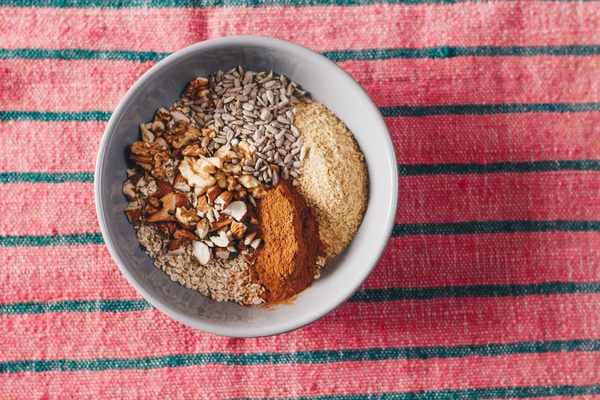

Interest in anti-inflammatory eating has grown alongside concern about heart health, type 2 diabetes and healthy ageing. The useful part of the trend is not a promise that one ingredient can “switch off” inflammation. It is the focus on an overall pattern built around vegetables, fruit, wholegrains, pulses, nuts, seeds, fish and unsaturated fats. For UK readers, that approach fits comfortably with established healthy-eating guidance and familiar foods.
Inflammation is a normal part of the immune response, but long-term low-grade inflammation is associated with several chronic conditions. Diet is only one influence alongside smoking, sleep, physical activity, body weight, stress and illness. The best anti-inflammatory diet foods are therefore not magic remedies; they are foods that help create a nutrient-dense pattern over time.
What an anti-inflammatory eating pattern looks like
There is no single official NHS “anti-inflammatory diet” and no universally agreed anti inflammatory foods list. A practical model is a Mediterranean-style pattern: plenty of plant foods, regular pulses, wholegrain carbohydrates, nuts and seeds, fish, and mainly unsaturated oils, with less processed meat and fewer foods high in saturated fat, salt or free sugars.
This broadly aligns with the UK Eatwell Guide, which advises at least five portions of varied fruit and vegetables a day, wholegrain starchy foods where possible, beans and pulses, some fish and other protein foods, and small amounts of unsaturated oils. That makes inflammation and diet less about specialist products and more about changing the balance of an ordinary weekly shop.
Foods worth building meals around
Colourful vegetables and fruit
Berries, oranges, apples, tomatoes, peppers, leafy greens, broccoli, red cabbage and onions provide fibre plus a range of vitamins and plant compounds. Variety matters more than chasing one “superfood”. Frozen vegetables, frozen berries and tinned tomatoes can be practical alternatives to fresh produce, especially when cost or seasonality matters.
Wholegrains and pulses
Oats, wholemeal bread, brown rice, wholewheat pasta and barley make useful staples. Beans, chickpeas, peas and lentils add fibre, plant protein and minerals. Together, these foods can replace some refined carbohydrates and processed meat without making meals feel restrictive.
A realistic weekday dinner could be lentil and vegetable curry with brown basmati rice, followed by plain yoghurt and berries. Another easy option is beans on wholemeal toast with tomatoes and spinach. These are everyday meals rather than a separate “diet menu”.
Omega 3 foods
Oily fish is one of the most useful groups to include regularly. NHS guidance recommends at least two portions of fish a week, including one portion of oily fish. Salmon, sardines, mackerel, trout and herring are rich in long-chain omega-3 fats. Tinned sardines or mackerel can be inexpensive choices, although checking salt levels is sensible.
Plant-based omega 3 foods include walnuts, flaxseed, chia seeds and rapeseed oil. They provide alpha-linolenic acid, a different form of omega-3, and can be valuable additions for people who eat little or no fish.
Nuts, seeds and unsaturated fats
Unsalted walnuts, almonds and other nuts provide fibre, minerals and unsaturated fats. A small handful works well as a snack or porridge topping. For cooking and dressings, rapeseed or olive oil can replace some butter, ghee or coconut oil, shifting the overall fat balance towards unsaturated fats.
Herbs, spices and turmeric
Garlic, ginger, herbs and spices can make plant-heavy meals more appealing. Turmeric is often promoted as anti-inflammatory because it contains curcumin, but claims about turmeric benefits are often stronger than the evidence supports. Using turmeric as a culinary spice is reasonable; high-dose curcumin supplements are not the same thing as adding turmeric to food.
Supplements can interact with medicines, and some concentrated curcumin products have raised safety concerns. Anyone taking regular medication, pregnant, breastfeeding or considering a high-dose supplement should discuss it with a pharmacist, GP or other qualified healthcare professional.
What to reduce without making the diet rigid
An anti-inflammatory pattern is not defined by a banned-food list. A more useful approach is to make foods high in saturated fat, salt and free sugars less dominant. That can mean eating processed meats less often, swapping some refined grains for wholegrain versions, choosing water more often than sugary drinks, and keeping cakes, biscuits and confectionery as occasional foods.
A realistic UK shopping basket
A practical weekly basket might include porridge oats, wholemeal bread, brown rice, lentils, chickpeas, tinned tomatoes, frozen spinach, broccoli, carrots, apples, berries, plain yoghurt, eggs, walnuts, rapeseed or olive oil, and an oily-fish option. Breakfast could be porridge with berries and walnuts; lunch could be chickpea soup with wholemeal bread; dinner could be baked salmon, potatoes and greens.
The goal is consistency. One takeaway or pudding does not undo an otherwise balanced pattern, just as one turmeric drink cannot compensate for a diet low in fibre and vegetables.
Natural related topics to explore include Mediterranean-style eating, high-fibre foods for everyday meals, and healthy fats and omega-3.
Frequently asked questions
What are the best anti-inflammatory diet foods in the UK?
There is no single best food. A strong foundation includes varied vegetables and fruit, wholegrains, beans and lentils, nuts and seeds, oily fish, and unsaturated oils such as rapeseed or olive oil. These foods work best as part of an overall healthy pattern.
How quickly can an anti-inflammatory diet work?
There is no reliable timetable because diet does not act like an anti-inflammatory medicine. Benefits from healthier eating are generally linked to sustained habits over weeks, months and years, and outcomes vary between individuals.
Is turmeric enough to reduce inflammation?
No. Turmeric can be a useful spice, but evidence does not support treating it as a cure or relying on supplements to manage inflammatory disease. Anyone with a diagnosed condition should follow medical advice rather than replacing treatment with foods or supplements.
Do I need to avoid dairy, gluten or nightshade vegetables?
Not routinely. These foods do not need to be removed simply because a diet is described as anti-inflammatory. If a food seems to trigger symptoms, discuss it with a GP or registered dietitian, particularly before making long-term exclusions.
Building a pattern that lasts
The most useful way to think about anti-inflammatory eating is as a long-term pattern, not a detox. Fill more of the plate with plants, choose wholegrain staples, use pulses often, include oily fish if you eat it, favour unsaturated fats and keep highly processed, sugary or salty foods in a smaller role. These changes are familiar and easier to sustain than a list of expensive “functional” foods.
For most people, that approach is consistent with UK healthy-eating guidance and evidence on long-term cardiovascular and metabolic health. If you have an inflammatory condition, digestive disease, food allergy or complex medical needs, personalised advice from a registered dietitian or clinician is more appropriate than a generic food list.