

Despite its reputation as a simple immune booster, vitamin C plays far more complex roles in the body than most people realize. From supporting skin health and joint resilience to optimizing iron absorption and protecting cells against daily oxidative damage, its functions extend well beyond cold season. But is this supplement truly necessary or just expensive insurance?
Here’s what you need to know about vitamin C, its benefits, and what you should look for in a supplement.
Understanding Vitamin C
Vitamin C, also known as ascorbic acid, functions as an essential water-soluble nutrient that the human body cannot synthesize. It serves as a cofactor for several enzymatic processes, most notably in collagen production, the key protein maintaining the structure of skin, blood vessels, tendons, ligaments, and bones. Additionally, vitamin C operates as a powerful antioxidant, helping to neutralize free radicals produced during metabolism, physical activity, and environmental exposure.
Key Health Benefits
Immune System Support
Vitamin C concentrates heavily within immune cells, where it protects them from oxidative damage during active defense against pathogens. Research shows routine supplementation with vitamin C slightly reduces the duration of the common cold in both children (14% reduction) and adults (8% reduction).

Collagen Production and Tissue Health
Vitamin C is required for collagen synthesis, as it can help with improved skin elasticity, faster wound healing, and better joint comfort. Studies reinforce its importance in maintaining connective tissue integrity, particularly beneficial for active adults, aging populations, and those recovering from injury or surgery.
Antioxidant Protection and Long-Term Wellness
As a primary antioxidant in bodily fluids, vitamin C regenerates other protective compounds like vitamin E and glutathione. Studies associate higher dietary vitamin C levels with lower systemic inflammation and improved cardiovascular markers.
Improved Iron Absorption
Vitamin C significantly enhances the uptake of non-heme iron from plant sources. Consuming it alongside iron-rich foods or supplements can nearly double absorption rates, offering important advantages for vegetarians, vegans, and individuals at risk of iron deficiency.
Meeting Needs Through Diet
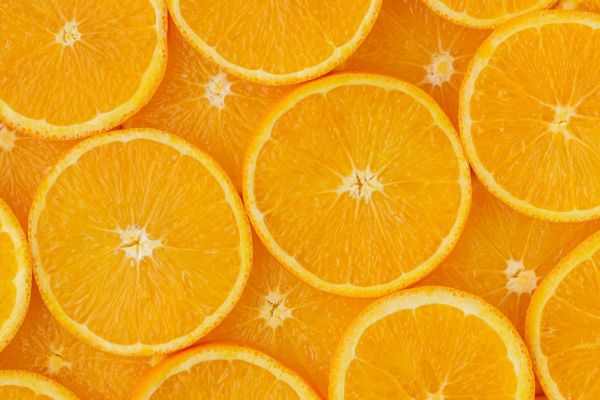
A well-planned diet easily supplies adequate vitamin C. One medium orange provides approximately 70 mg, a cup of strawberries delivers around 85 mg, and just half a red bell pepper offers nearly 95 mg. Other strong sources include kiwi, broccoli, Brussels sprouts, and papaya. Fresh or minimally cooked produce preserves the highest levels, as heat, light, and prolonged storage diminish content.
Most people consuming five or more daily servings of fruits and vegetables readily meet or exceed the RDA. Challenges arise with busy schedules, limited fresh food access, or dietary restrictions. Smokers, high-level athletes, older adults, pregnant women, and individuals managing chronic conditions often face higher requirements that food alone may not consistently fulfill.
When Supplementation Provides Clear Value
Vitamin C supplements are ideal for adults looking to support immune function, skin health, and antioxidant defense. It’s especially beneficial during times of stress, seasonal changes, or increased physical activity. Suitable for vegans, vegetarians, and anyone seeking a clean, effective vitamin C supplement.
Learn more about how much vitamin C you should take in this article.
Selecting a Quality Vitamin C Supplement
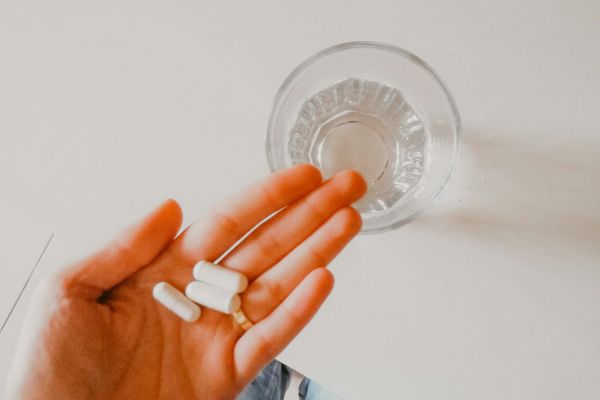
Effectiveness depends heavily on product quality. Ideal formulas provide pure vitamin C with supportive co-nutrients and minimal additives. This Vitamin C supplement supplies 500 mg of vitamin C per capsule alongside 75 mg of citrus bioflavonoids for better absorption. It’s also vegan, non-GMO, gluten-free, and soy-free.
Safety Considerations and Responsible Use
Vitamin C maintains an outstanding safety record across extensive research. Doses up to 2,000 mg daily rarely produce side effects beyond occasional mild gastrointestinal upset, which typically resolves with dose reduction. Individuals with a history of oxalate kidney stones or iron overload conditions should consult healthcare providers before using higher amounts, as elevated intake can influence oxalate excretion or iron absorption in sensitive cases.
Vitamin C interacts minimally with common medications, though very high doses warrant discussion with medical professionals during certain treatments or diagnostic testing.
Summary
Vitamin C is an incredible nutrient for collagen formation, immune resilience, antioxidant defense, and nutrient absorption. For the average person following a colorful, produce-rich eating pattern, food remains the preferred source. However, for those encountering dietary gaps or increased physiological demands, a high-quality supplement delivers reliable, evidence-based support.
The emphasis lies in consistency rather than excess. Evaluating current eating habits, lifestyle factors, and personal health goals leads to informed choices. When supplementation fits the picture, selecting a transparent, additive-free formula ensures optimal benefit while complementing (not replacing) nutrient-dense foods.
Smart vitamin C strategies contribute to sustained energy, healthy skin, strong connective tissue, and overall vitality. By aligning intake with actual needs and proven science, individuals can maintain nutritional balance efficiently and effectively.