
Fibre has moved from the back of the cereal box to the centre of the UK’s gut-health conversation. In 2026, high-fibre products, wholegrain options and foods marketed for digestive wellness are increasingly prominent on supermarket shelves. The healthiest approach, however, is usually less glamorous than the latest functional snack: eat a wider range of plant foods, build your intake gradually and focus on habits you can maintain.
For most people, the best high fibre foods for gut health in the UK are familiar, affordable ingredients such as beans, lentils, oats, wholemeal bread, vegetables, fruit, nuts and seeds. They provide different types of fibre, along with vitamins and minerals. That variety matters because fibre is not one single nutrient with one single job.
Why fibre matters for gut health
Dietary fibre is the part of plant food that is not fully digested in the small intestine. Some types add bulk and help stools move through the bowel, while others are fermented by bacteria in the large intestine. This process supports the cells lining the colon and contributes to a healthy gut environment.
A fibre-rich digestive health diet is also associated with a lower risk of heart disease, stroke, type 2 diabetes and bowel cancer. Fibre is not a miracle ingredient, though. Overall diet quality, hydration, movement and individual medical needs still matter.
How much fibre should you eat in the UK?
Current UK guidance recommends an average fibre intake of about 30g a day for people aged 16 and over. Recommended amounts are lower for children: around 15g for ages 2 to 4, 20g for ages 5 to 10 and 25g for ages 11 to 15.
Most people are not reaching those targets. The UK National Diet and Nutrition Survey for 2019 to 2023 found that average adult intakes were roughly 16 to 17g a day, and only a small proportion met the recommendation. That gap is why small daily changes matter. You do not need to rebuild every meal at once.
The best high fibre foods for gut health
Beans, lentils and chickpeas
Pulses are useful gut friendly foods because they combine fibre, plant protein and slow-release carbohydrate. Tinned beans and chickpeas are convenient and easy to add to soups, curries, pasta sauces and salads. Lentils can stretch minced-meat dishes or form the base of a quick dhal. Increase portions gradually if pulses tend to cause bloating.
Wholegrain foods
Wholegrain foods retain more of the grain than refined versions, so they generally provide more fibre. Good choices include porridge oats, wholemeal bread, wholewheat pasta, brown rice, barley, bulgur wheat and wholegrain breakfast cereals. Swapping white bread or pasta for a wholegrain alternative can raise fibre intake without changing the basic shape of a meal.
Check the nutrition panel rather than relying on brown colouring or rustic packaging. In UK labelling, a “source of fibre” contains at least 3g per 100g, while “high fibre” generally means at least 6g per 100g.
Vegetables and potatoes
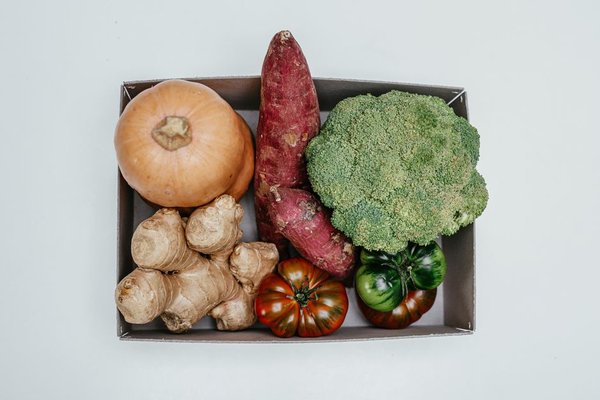
Vegetables offer a mixture of fibre types, so aim for different colours across the week. Peas, broccoli, carrots, sweetcorn, Brussels sprouts and leafy greens are practical options. Potatoes also contribute fibre, particularly when the skin is eaten. Frozen and tinned vegetables count too, making them useful on busy days.
Fruit in whole form
Apples, pears, berries, oranges and kiwi fruit can all contribute to fibre intake. Whole fruit is generally more fibre-rich than juice because juicing removes much of the plant structure. Keeping edible skins on after washing can add more fibre.
Dried fruit is concentrated, so a modest portion is usually enough. It is also better for teeth when eaten as part of a meal rather than grazed on throughout the day.
Nuts and seeds
Almonds, peanuts, walnuts, chia seeds, linseeds and pumpkin seeds provide fibre alongside unsaturated fats and protein. Sprinkle seeds over porridge or yoghurt, or choose a small handful of unsalted nuts as a snack. These foods are energy-dense, so portions still matter.
How to increase fibre comfortably
Going from a low-fibre diet to a very high-fibre one overnight can cause wind, cramping or bloating. Increase fibre steadily over several days or weeks and drink enough fluid, especially water. Fibre absorbs water, and a sudden increase without adequate fluids may make constipation or discomfort worse.
Variety is more useful than chasing one fashionable ingredient. Rotate oats, pulses, wholegrains, vegetables, fruit, nuts and seeds rather than relying on one fibre powder or fortified snack. If certain grains or large portions of pulses trigger symptoms, smaller servings or different fibre sources may suit you better.
People with irritable bowel syndrome, inflammatory bowel disease, swallowing difficulties, a bowel narrowing or a recent digestive operation may need personalised advice. Persistent pain, unexplained weight loss, blood in the stool or a lasting change in bowel habits should be discussed with a GP.
Simple ways to eat more fibre every day
Start breakfast with porridge topped with berries and seeds, or choose a wholegrain cereal with fruit. At lunch, use wholemeal bread and add salad, beans or a piece of fruit. For dinner, mix lentils into a curry, add chickpeas to a traybake, serve brown rice or wholewheat pasta, and include vegetables.
Small additions work: leave the skin on potatoes, stir beans into soup, snack on fruit and nuts, or replace part of the meat in a recipe with lentils. These changes make a digestive health diet feel like normal food rather than a short-term programme.
Frequently asked questions
What is the best high-fibre food for gut health?
There is no single best food. A varied mix of pulses, wholegrain foods, vegetables, fruit, nuts and seeds provides different fibres and is more useful than depending on one product.
Can too much fibre cause bloating?
Yes, especially when intake rises quickly. Increase portions gradually, drink enough water and notice which foods suit you. Ongoing or severe symptoms deserve medical advice.
Are fibre supplements as good as food?
Supplements can help in some situations, but whole foods also provide protein, vitamins and minerals. Speak to a pharmacist, GP or registered dietitian before using supplements for persistent digestive symptoms.
Do fermented foods contain fibre?
Some do, but not all. Fermented vegetables may provide fibre, while yoghurt and kefir contain little or none because dairy does not naturally contain fibre. Fermented foods and high-fibre foods support gut health in different ways.
A steady, varied approach works best
The growing enthusiasm for fibre is positive when it encourages people to eat more plants rather than simply buy heavily marketed products. For most UK adults, the practical goal is to work towards 30g a day through everyday foods, while increasing intake gradually and drinking enough fluid. Oats, beans, wholegrain bread, vegetables, fruit and nuts may not look like a wellness trend, but together they create a varied, sustainable pattern that supports gut health over time.