
Pregnancy changes the body quickly, but it does not automatically turn movement into something dangerous. For most people with an uncomplicated pregnancy, regular physical activity is considered safe and beneficial. It can support heart and lung fitness, help manage pregnancy-related weight gain, improve mood, and lower the risk of gestational diabetes. Current guidance generally recommends at least 150 minutes of moderate-intensity aerobic activity each week for healthy pregnant women, although the right routine depends on individual health, fitness history, and pregnancy complications.
The most useful pregnancy exercise safety tips are not about following a perfect workout plan. They are about adapting, paying attention, and knowing when a normal challenge has crossed into a warning sign.
Begin with your own pregnancy, not someone else’s routine
Pregnancy workouts are often presented as though one programme should suit everyone. In reality, a person who ran regularly before conception may receive different advice from someone who has been inactive, is carrying multiples, or has developed a complication.
A healthy person with a straightforward pregnancy can usually continue or begin moderate activity. Someone new to exercise should start gradually rather than suddenly attempting hard classes or long-distance running. A short walk, gentle swim, or beginner prenatal class can be a sensible starting point. Activity can also be divided into smaller periods across the week, so there is no need to complete a long workout in one session.
Discuss a new routine with a doctor or maternity-care professional, particularly if the pregnancy is high-risk or there are significant health concerns. Exercise recommendations sometimes need adjustment around bleeding, placental concerns, high blood pressure, heart or lung disease, risk of premature labour, or other complications. A clinical assessment can help determine whether exercise should continue normally, be modified, or be temporarily avoided.
Use the conversation test to judge intensity
Pregnancy is rarely the right time to chase exhaustion. Moderate intensity usually means working hard enough to feel warmer and breathe faster while still being able to speak in full sentences. The NHS uses this “conversation test” as a practical guide: if talking becomes difficult because of breathlessness, the pace is probably too strenuous.
This is often more useful than comparing yourself with a fitness tracker or your pre-pregnancy pace. Energy levels, sleep, nausea, joint comfort, and temperature tolerance can shift throughout pregnancy. A walk that feels easy one week may feel surprisingly demanding the next. Slowing down is not failure; it is an appropriate response to a body doing more work in the background.
People who regularly performed vigorous exercise before pregnancy may sometimes continue if their clinician agrees and the activity remains comfortable. Pregnancy, however, is not the ideal time to introduce an unfamiliar high-intensity programme.
Choose movement that feels stable and sustainable
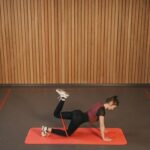
Brisk walking, swimming, water aerobics, stationary cycling, modified yoga, prenatal Pilates, and appropriately supervised strength training are common options. The best choice is usually one that feels steady, can be adapted as the abdomen grows, and does not create an unnecessary risk of collision or falling.
Balance may become less predictable as pregnancy progresses. Activities such as downhill skiing, horseback riding, gymnastics, ice hockey, and outdoor cycling require extra caution because a fall could cause injury. Contact sports, where the abdomen may be struck, are generally avoided. Scuba diving is also unsuitable because the fetus is not protected from decompression-related illness.
Exercise need not become dull. A stationary bike can replace road cycling, swimming can offer relief when walking feels heavy, and controlled strength work can be adjusted with lighter resistance and closer attention to posture.
Adapt exercises as the body changes
A routine that works in the first trimester may need revision later. After the first trimester, prolonged exercise while lying flat on the back is generally discouraged because the uterus can place pressure on a major blood vessel and make some people feel faint. Side-lying, seated, standing, or inclined positions are practical alternatives.
Strength training can often continue, but technique matters more than lifting impressive weight. Avoid holding your breath through a difficult repetition. Use a stable stance, move with control, and reduce the load if posture begins to collapse. Stretching should also remain gentle. There is no benefit in forcing the body into a deeper position when a movement feels uncomfortable.
Pelvic floor exercises can be valuable because these muscles carry increasing pressure during pregnancy and are involved in bladder control and childbirth. They should be performed with normal breathing and relaxation between contractions. The NHS recommends pelvic floor work during pregnancy and notes that it may help reduce stress incontinence.
Keep cool, hydrated, and properly supported
Avoid demanding exercise in very hot weather, drink fluids before and during activity, and choose a cooler time of day when exercising outdoors. A warm-up gives the body time to adjust, while a gradual cool-down helps the session end comfortably.
Supportive footwear becomes increasingly important as balance and comfort change. A well-fitting sports bra and breathable clothing can also make movement easier. The environment matters too. Choose even surfaces, carry a phone during solo walks, and avoid remote routes where getting help would be difficult. These small precautions can make a routine feel calmer and more manageable.
Know when to stop exercising
Listening to the body means more than accepting ordinary muscle fatigue. Stop exercising and seek medical advice if you experience vaginal bleeding, fluid leakage, regular painful contractions, chest pain, dizziness, faintness, unusual shortness of breath, severe headache, muscle weakness affecting balance, or calf pain and swelling. These symptoms should not be pushed through.
Mild effort in working muscles can be normal, but sharp abdominal pain, pelvic pain, or a new symptom that feels alarming is a reason to pause. When uncertain, stopping is the safer decision. One missed workout has no meaningful effect on fitness, while ignoring a warning sign can delay appropriate care.
Let consistency matter more than perfection
Some weeks of pregnancy feel energetic. Others are shaped by nausea, poor sleep, backache, pelvic pressure, or simple exhaustion. A safe routine leaves room for all of that. Ten minutes of walking still counts. Gentle stretching and daily movement still count. Rest has a place too.
The goal is not to prove that pregnancy has changed nothing. Good exercise habits acknowledge those changes without treating the body as fragile. They combine movement with flexibility, effort with restraint, and general guidance with personal medical advice.
A thoughtful approach to staying active
The most reliable pregnancy exercise safety tips are reassuringly simple: obtain individual guidance, begin at an appropriate level, keep the intensity conversational, avoid high-risk activities, adapt positions as pregnancy progresses, stay hydrated, and stop when warning symptoms appear.
Safe movement during pregnancy is not about completing every planned session. It is about supporting health while respecting a body that may feel different from one day to the next. When exercise is approached with patience rather than pressure, it can remain a positive part of pregnancy—even when the routine looks nothing like it did before.