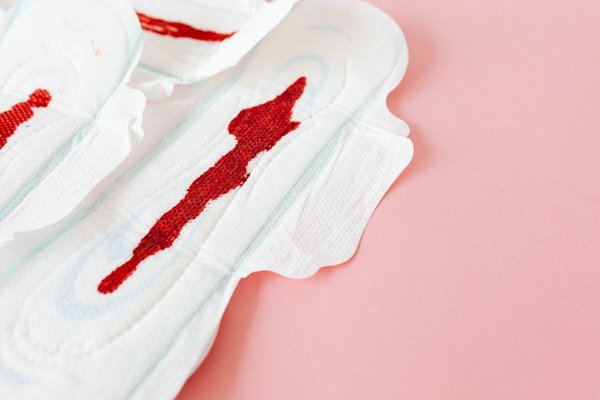

When you have PCOS, a period can arrive weeks later than expected, appear only a few times a year, or disappear for months. That uncertainty is often more frustrating than the bleeding itself. You might wonder whether your next period will be unusually heavy, whether you are ovulating, or whether a missed period needs checking.
Why PCOS changes the menstrual cycle
In a typical menstrual cycle, hormones help an egg mature and trigger ovulation. After ovulation, progesterone rises. If pregnancy does not happen, hormone levels fall and the womb lining sheds as a period.
With polycystic ovary syndrome (PCOS), ovulation may happen less often or not at all. Higher levels of androgens and insulin resistance can contribute to this disruption. Without predictable ovulation, progesterone does not rise in the usual pattern, so periods become irregular or absent.
A PCOS menstrual cycle is therefore not simply a normal cycle running late. Sometimes the body has not released an egg at all. Having a bleed also does not prove that ovulation occurred.
What irregular or absent periods can look like
Some people with PCOS have cycles that vary by a few weeks; others experience much longer gaps. Possible patterns include periods more than 35 days apart, fewer than eight periods in a year, or no period for several months. Bleeding may occasionally be prolonged or heavy after a long gap.
Why a late period does not always mean PCOS
Pregnancy, stress, thyroid problems, weight changes, breastfeeding and some contraception can also affect bleeding. If pregnancy is possible, take a test rather than assuming PCOS explains the delay. When you cannot predict your next period, NHS advice is to test at least 21 days after unprotected sex.
Why long gaps between periods matter
Missing periods can seem convenient, particularly if your usual bleeds are painful. However, frequent cycles without ovulation may leave the womb lining exposed to oestrogen without enough progesterone to regulate it. Over time, this can increase the risk of endometrial hyperplasia and, in some people, womb lining cancer.
This does not mean one missed period is dangerous. It means absent periods with PCOS should not go unreviewed. If you have missed three periods in a row, contact your GP. They can discuss whether you need treatment to protect the womb lining, even if having a monthly bleed is not your priority.
How to track an unpredictable cycle
A simple record can make appointments more productive. Note the first day of each bleed, its duration, whether the flow is light or heavy, and symptoms such as pelvic pain or spotting between periods. Include any contraception, pregnancy tests and recent medication changes.
For example, suppose you bleed in January, then not again until May. Rather than recording only two dates, note the months without bleeding and whether May’s period lasted longer than usual. That helps your GP assess the irregular cycle and the need for endometrial protection.
An app’s predicted ovulation date may be unreliable when periods are widely spaced. For related signs, see a guide to PCOS symptoms and diagnosis.
PCOS period management: what may help?
Treatment depends on symptoms, medical history, contraception needs and whether you want to become pregnant. The goal is not always a period every 28 days; it may be to regulate bleeding, protect the womb lining or improve ovulation.
Hormonal options when pregnancy is not the goal
The combined contraceptive pill can provide more predictable withdrawal bleeding and may also help acne. It is not suitable for everyone, including some people with a history of blood clots or migraine with aura, so your clinician will check relevant risks.
Other options include a hormonal intrauterine system (IUS) or certain progestogen treatments. A hormonal IUS can protect the womb lining even if bleeding becomes very light or stops. A clinician may prescribe a course of progestogen to bring on a withdrawal bleed after a long gap. That bleed is not evidence that regular ovulation has returned.
Lifestyle and metabolic health
Regular movement, balanced meals, sufficient sleep and support with insulin resistance can improve overall health with PCOS. For some people, these changes also improve cycle regularity, although results vary. You do not need an extreme diet or to pursue weight loss at any cost. Ask for individualised advice if food, weight or exercise has become stressful.
Metformin may be considered in selected cases, especially where metabolic concerns are present. It is not a guaranteed way to restore regular periods and should be discussed with a clinician. A practical companion topic is managing insulin resistance with PCOS.
If you want to become pregnant
Irregular bleeding often means ovulation is unpredictable, which can make conception harder to time. However, PCOS does not mean pregnancy is impossible. Ovulation can still occur unexpectedly, so contraception matters if you do not want to conceive.
If pregnancy is your goal, tell your GP rather than waiting indefinitely for cycles to settle. Depending on your circumstances, you may be referred for fertility assessment and ovulation-inducing treatment. For more background, read about PCOS and fertility.
When to speak to your UK GP
Arrange a routine appointment if your periods have become irregular, you miss three in a row, bleeding lasts more than seven days, or you are struggling to conceive. Your GP may review symptoms, medicines and pregnancy possibility, then consider blood tests or further assessment.
Bleeding between periods or after sex should also be checked. Seek urgent medical advice through NHS 111 or an urgent GP appointment if you have a missed period, unusual bleeding and abdominal pain, because an ectopic pregnancy needs to be ruled out. Very heavy bleeding with faintness or severe pain needs emergency assessment.
Frequently asked questions
Can PCOS cause periods to stop completely?
Yes. Absent periods with PCOS can happen when ovulation stops for extended periods. Nevertheless, pregnancy and other medical causes should be excluded, particularly if your pattern has changed.
Do I need a period every month if I have PCOS?
Not necessarily. Some treatments protect the womb lining without causing monthly bleeding. Your GP can explain the safest approach for your circumstances, especially if you regularly go three months without a period.
Does having a period mean I ovulated?
No. Bleeding can occur without ovulation, and hormonal contraception can cause withdrawal bleeding rather than a natural menstrual period. Cycle tracking alone cannot reliably confirm ovulation in PCOS.
Can PCOS periods become regular again?
They can. Some people experience improved regularity with lifestyle changes or treatment, while others continue to have unpredictable cycles. The best plan focuses on your health and goals rather than a perfect calendar.
Finding a manageable way forward
PCOS-related cycle changes are common, but they are worth understanding rather than dismissing. Keep a clear record, check for pregnancy when relevant, and discuss prolonged gaps or unusual bleeding with your GP. Effective management is less about forcing a textbook cycle and more about protecting your health while making periods easier to live with.