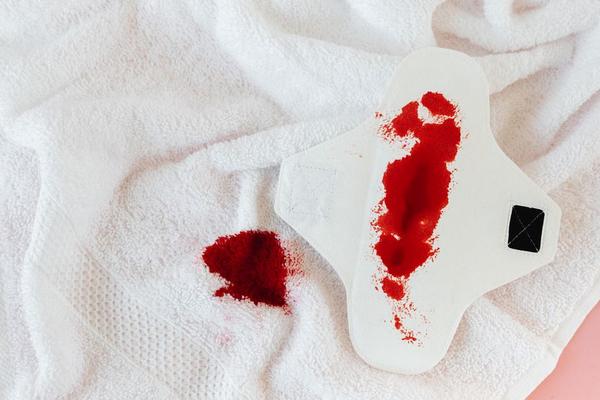

Spotting between periods can be unsettling, especially when your cycle is usually predictable. A small amount of pink, red or brown blood may appear on toilet paper, underwear or a liner, then disappear again. Sometimes there is a straightforward explanation, such as hormonal contraception, but bleeding between periods can also be linked to infection, pregnancy or a condition affecting the cervix or womb. Because the cause is not always obvious, unusual bleeding is worth checking rather than diagnosing from timing alone.
Start by noticing the pattern. When did the bleeding begin? How much was there? Did it happen after sex, around the middle of your cycle, after a missed pill, or alongside pain or unusual discharge? Those details can make a GP or sexual health appointment more useful.
What counts as spotting between periods?
Spotting usually means light vaginal bleeding outside your expected period. It may be much lighter than your usual flow and can look pink, red or brown. Brown spotting often represents older blood, but colour alone does not identify the cause.
Mid-cycle bleeding is sometimes noticed around the time ovulation would be expected. However, bleeding in the middle of a cycle does not prove ovulation is responsible. Cycle length varies, and the same timing can occur for other reasons. New, repeated or unexplained spotting should be checked.
Common reasons for bleeding between periods
Hormonal contraception and breakthrough bleeding
Hormonal contraception is a common reason for breakthrough bleeding. It can happen after starting or changing contraception, and missed or late pills may also affect the bleeding pattern. If bleeding is persistent, troublesome or different from what you were told to expect, speak to a clinician. Do not stop prescribed contraception without considering pregnancy protection and getting appropriate advice.
Pregnancy-related bleeding
Light bleeding can occur in early pregnancy, so pregnancy should be considered if there is any possibility you could be pregnant. A home pregnancy test can be useful if your period is late or contraception may have failed. Bleeding in pregnancy is not automatically a sign of a serious problem, but it should be discussed with a healthcare professional.
A recently missed period, unusual vaginal bleeding and tummy or pelvic pain need urgent attention. NHS guidance advises an urgent GP appointment or contacting NHS 111 because this can be a sign of an ectopic pregnancy. If you are pregnant and have heavy bleeding, severe abdominal pain, shoulder pain, fainting or marked dizziness, seek emergency help.
Infections and changes around the cervix
Sexually transmitted infections such as chlamydia can cause abnormal bleeding, including spotting between periods or bleeding after sex, sometimes without other obvious symptoms. If you have had unprotected sex, have a new sexual partner, notice unusual discharge or are concerned about an STI, a sexual health clinic can arrange confidential testing.
Bleeding after sex may also be linked to cervical ectropion, a cervical polyp or vaginal dryness. These causes are often manageable, but an examination may be needed to tell them apart.
Polyps, fibroids and other gynaecological causes
Polyps and fibroids are non-cancerous growths that can contribute to bleeding between periods. They may also be associated with heavier periods, pelvic pressure or changes in your usual cycle. Persistent intermenstrual bleeding may lead a clinician to consider further investigation based on your symptoms and examination.
Less commonly, unusual vaginal bleeding can be associated with cancer. This is not the most likely explanation, but it is one reason unexplained bleeding should not be ignored. If your periods have stopped because of menopause, any later vaginal bleeding needs medical assessment.
What to track before you speak to a clinician
A short record is often more useful than trying to remember everything at an appointment. Note the first day of each period, the dates of any spotting, whether the blood appeared only when wiping or needed a liner or pad, and whether it followed sex. Record pelvic pain, unusual discharge, dizziness, missed contraception, a late period, pregnancy-test results and any recent change in hormonal contraception.
For example, imagine you usually have a 29-day cycle and notice light spotting on days 14 and 15 for two months. Instead of writing only “mid-cycle spotting,” record the exact dates, approximate amount, colour, whether there was pain and whether it happened after sex. If the next episode occurs much later in the cycle, that change becomes obvious. A diary or period-tracking app can make the pattern easier to explain.
Related reading on period problems, irregular periods and pelvic pain can also help you compare the spotting with your usual cycle and identify other changes worth mentioning.
When should you arrange a GP appointment?
NHS guidance recommends seeing a GP or attending a sexual health clinic if you are bleeding between periods or after sex. Even when the bleeding is light and you feel well, an appointment is appropriate if the cause is not clear.
A clinician may ask about your periods, contraception, sexual health, pregnancy possibility and other symptoms. Depending on the situation, checks can include a pregnancy test, blood test, STI testing and an examination of the vagina and cervix. If further assessment is needed, you may be referred for an ultrasound, colposcopy or hysteroscopy.
Get help more promptly if the bleeding becomes heavy, you feel faint or very unwell, or you develop significant pelvic pain. If pregnancy is possible and a missed period is followed by bleeding with abdominal or pelvic pain, seek urgent advice rather than waiting for a routine appointment.
FAQ
Can ovulation cause spotting between periods?
Some people notice very light spotting around the middle of their cycle, but timing alone cannot confirm ovulation as the cause. New or recurring mid-cycle bleeding should still be discussed with a healthcare professional, especially if it happens with pain or after sex.
Is brown spotting between periods normal?
Brown blood is often older blood that has taken longer to leave the body. The colour does not explain why the bleeding happened. Repeated, new or unexplained brown spotting between periods should be checked.
Can the contraceptive pill cause breakthrough bleeding?
Yes. Hormonal contraception can cause breakthrough bleeding, especially after starting or changing a method or if pills are missed. Persistent or bothersome bleeding should be reviewed so other causes can be considered.
Should I worry about spotting if I have no pain?
Many causes of spotting are not serious and may not cause pain. Even so, painless bleeding between periods can have several causes that need assessment. NHS advice is to have unexplained bleeding between periods checked.
A sensible next step
Spotting between periods has many possible explanations, and most are not serious, but it should not automatically be dismissed. Track the timing and amount, note any linked symptoms, check for pregnancy when relevant, and arrange a GP or sexual health appointment for unexplained bleeding. If pregnancy is possible and bleeding comes with pelvic or abdominal pain, seek urgent advice. A clear record gives the clinician a better starting point for finding the cause.