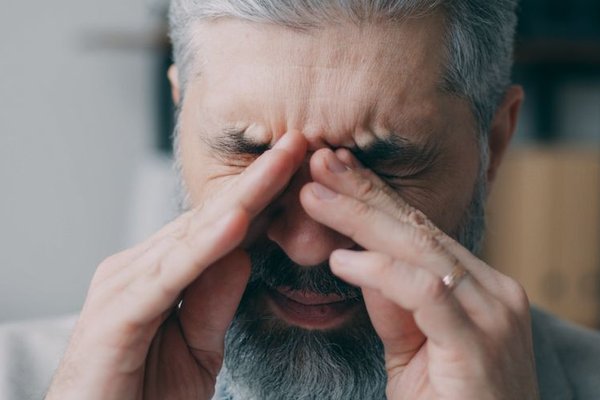

The phrase “male menopause” often appears when a man in his forties, fifties or later notices less energy, a lower sex drive or changes in mood. Those experiences deserve attention, but they do not automatically mean his testosterone has fallen too low. Understanding male menopause symptoms starts with separating normal ageing from a medical condition that can be investigated and, when appropriate, treated.
Andropause is another popular name for this supposed transition. Unlike menopause in women, however, men do not usually experience a sudden, universal shutdown of reproductive hormone production. The distinction matters because tiredness and sexual difficulties can have several explanations.
Is male menopause a medical diagnosis?
“Male menopause” is a familiar expression, not a precise clinical diagnosis. Testosterone generally declines gradually with age, and many men remain healthy without developing a hormone deficiency. There is no particular birthday when every man enters andropause.
Doctors instead look for hypogonadism, a condition involving insufficient testosterone production alongside compatible symptoms. When this develops later in life, it may be called late-onset hypogonadism. It is not an inevitable consequence of getting older.
Discussions about low testosterone age can therefore be misleading. A man aged 45 may have troublesome symptoms with normal testosterone, while another aged 70 may have lower readings without significant symptoms. Neither age nor a questionnaire alone establishes a diagnosis.
What are the common male menopause symptoms?
The symptoms commonly attributed to andropause overlap with several health conditions. Some, particularly changes in sexual function, are more suggestive of testosterone deficiency than general complaints such as fatigue.
Sexual changes
A persistent reduction in sexual desire, fewer spontaneous or morning erections, and erectile difficulties can occur with low testosterone. Yet erectile dysfunction can also relate to circulation, diabetes, medicines, stress or relationship difficulties. A reduced libido is worth discussing with a GP, especially if it is new or persistent.
Energy, mood and concentration
Feeling exhausted, irritable, unmotivated or mentally foggy is sometimes described among andropause symptoms. These experiences are real, but they are not specific to hormone problems. Poor sleep, depression, anxiety, alcohol use and an overwhelming workload can produce a similar pattern.
Changes in the body
Some men with sustained testosterone deficiency notice reduced muscle strength, increased body fat or less facial and body hair. More substantial or prolonged deficiency may affect bone density and contribute to anaemia. These changes usually develop over time rather than appearing overnight.
A cluster of symptoms gives your clinician more useful information than any single complaint. It also helps to know whether changes developed gradually or followed an illness, medication change or period of disrupted sleep.
Why testosterone is only part of the picture
Male hormone changes happen alongside changes in sleep, fitness, weight and general health. Obesity and type 2 diabetes, for example, are associated with lower testosterone readings in some men. Sleep apnoea can cause severe daytime fatigue, while thyroid disorders and depression can resemble aspects of low testosterone.
This is why treating every midlife difficulty as a hormone problem can delay the correct diagnosis. A clinician may need to review mental health, cardiovascular risk, medications and sleep habits, not simply order a testosterone test.
It is also worth remembering that erectile difficulties sometimes provide an early reason to check blood pressure, blood glucose and other cardiovascular risk factors. The bigger health picture is often more useful than a single hormone number.
How is low testosterone tested in the UK?
If symptoms persist, make an appointment with your GP. They will ask about sexual symptoms, energy, sleep, existing conditions and medicines. Depending on the findings, they may request blood tests and examine other possible causes.
UK endocrine guidance recommends measuring testosterone with a morning, fasting blood sample, ideally after a good night’s sleep and not during an acute illness. Testosterone varies throughout the day, so an afternoon result may be misleading. Shift workers may require individual advice about sampling.
A low result normally needs confirmation with another properly timed test on a different day. Doctors interpret the results together with symptoms and the laboratory’s methods. If necessary, additional tests such as luteinising hormone, sex hormone-binding globulin or prolactin help clarify the cause.
A private test showing a borderline number is therefore not enough to justify treatment. For a clearer explanation of the process, read our guide to testosterone blood tests.
What actually helps with these symptoms?
The right approach depends on the cause. If poor sleep, excess alcohol, low activity or ongoing stress is contributing, addressing those factors may improve wellbeing even when testosterone is normal. Treatment for sleep apnoea, depression, diabetes or another underlying condition may be more effective than hormone therapy.
Regular resistance exercise can support strength and physical function, while sustainable weight management and consistent sleep habits can benefit broader health. Our guide to sleep and testosterone explores why rest matters, although no lifestyle change can guarantee a particular hormone reading.
When a specialist confirms testosterone deficiency and considers treatment appropriate, testosterone replacement may be discussed. It requires an assessment of benefits, risks and ongoing monitoring. It can reduce sperm production, so men hoping to have children should raise fertility plans before starting. Testosterone is not a general anti-ageing treatment for men with normal levels.
A useful way to prepare for a GP appointment
Imagine a 52-year-old who has felt tired for six months and assumes he has male menopause. He also snores loudly, sleeps only five hours on weekdays and has recently noticed erection difficulties. Testing testosterone might be appropriate, but overlooking possible sleep apnoea or vascular risk would miss important clues.
Before your appointment, write down when symptoms started, how often they occur, whether morning erections have changed, what medicines you take and how you usually sleep. Mention major mood changes or relationship concerns without embarrassment. These details help your GP decide which investigations are relevant.
Frequently asked questions
At what age do male menopause symptoms start?
There is no fixed starting age. Testosterone often decreases gradually from early or middle adulthood, but clinically significant deficiency is not determined by age alone. Persistent symptoms warrant assessment at any adult age.
Can male menopause cause anxiety or depression?
Low mood and irritability can accompany testosterone deficiency, but anxiety and depression have many potential causes. They should be assessed on their own merits rather than automatically attributed to hormones.
Does low testosterone always cause erectile dysfunction?
No. Some men with low testosterone do not have erectile dysfunction, and many cases of erectile dysfunction occur with normal testosterone. Blood vessel health, medicines and psychological factors may contribute. Our guide to erectile dysfunction causes discusses these possibilities.
Can you diagnose andropause with a home test?
A home sample may provide information, but it cannot establish late-onset hypogonadism by itself. Symptoms, properly timed and repeated blood results, and professional interpretation are needed.
Understanding symptoms without jumping to conclusions
For anyone searching for male menopause UK advice, the clearest message is that symptoms matter more than labels. Male menopause is not a universal life stage, and low testosterone should never be assumed from tiredness or age alone. A thoughtful GP assessment can identify genuine hormone deficiency while also uncovering other treatable reasons for feeling different.