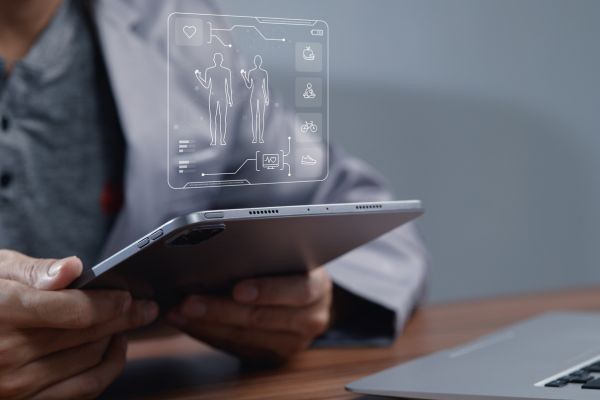

Wearable health tech trends are no longer some futuristic concept we casually talked about a few years ago. They’re here, they’re evolving fast, and honestly, they’re starting to feel like everyday companions rather than gadgets. From smartwatches that track your heart rate to rings that quietly monitor your sleep, wearable health technology is reshaping how we think about wellness. And let’s be real, it’s not just about counting steps anymore. The story has gotten a lot deeper.
As we move closer to 2026, wearable health tech trends are shifting from simple fitness tracking to meaningful, personalized health insights. The devices on our wrists, fingers, and even clothing are starting to understand us better than ever before. Not in a creepy way, but in a “hey, maybe you should rest today” kind of way. The thing is, people want answers, not just numbers. And that’s exactly where this tech is headed.
The evolution from fitness gadgets to health companions
In the early days, wearables were mostly fitness toys. Step counters, calorie estimators, and basic heart rate monitors dominated the market. They were useful, sure, but also easy to ignore after the novelty wore off. Wearable health tech trends have since matured, focusing less on flashy features and more on real-life health applications.
Modern devices now track blood oxygen levels, stress indicators, heart rhythm irregularities, and sleep cycles with impressive accuracy. This shift didn’t happen overnight. It came from a growing demand for proactive health monitoring rather than reactive care. People want to catch issues early, understand their bodies, and make informed lifestyle choices. And wearables are stepping up to fill that gap.
What’s interesting is how seamlessly these devices blend into daily life now. They’re lighter, smarter, and far less intrusive. You put them on, forget about them, and they quietly work in the background. That’s a big reason wearable health tech trends are gaining trust and long-term adoption.
Personalized health insights are becoming the norm
One of the most exciting wearable health tech trends is personalization. Generic health advice is slowly losing its appeal. Everyone’s body is different, and wearables are finally acknowledging that. Instead of telling everyone to hit the same goals, modern devices analyze individual patterns and adapt recommendations accordingly.
For example, your wearable might notice that your heart rate spikes on certain days or that your sleep quality drops after late meals. Over time, it learns your habits and provides insights that actually make sense for you. Not just “sleep more,” but “you tend to sleep better when you stop screen time an hour earlier.” That kind of feedback feels human, not robotic.
This personalization also extends to fitness, mental health, and recovery. Wearable health tech trends are pushing toward holistic wellness, where physical activity, stress, sleep, and nutrition are viewed as interconnected pieces rather than isolated metrics.
Mental health tracking is finally getting attention
For a long time, mental health was the missing piece in wearable technology. It was harder to measure, less tangible, and often overlooked. That’s changing. One of the most impactful wearable health tech trends right now is the focus on mental well-being.
Wearables now use indicators like heart rate variability, breathing patterns, and sleep consistency to estimate stress levels. Some devices even prompt users to take short breathing breaks or mindfulness sessions when stress appears elevated. It’s subtle, but powerful.
The thing is, mental health doesn’t always announce itself loudly. Sometimes it creeps in quietly. Wearables help bring awareness to those subtle shifts before burnout or anxiety takes over. While they’re not a replacement for professional care, they serve as gentle reminders to check in with yourself. And honestly, that awareness alone can make a difference.
Continuous health monitoring and early detection
Another major shift in wearable health tech trends is the move toward continuous monitoring rather than occasional check-ins. Instead of relying on annual doctor visits or sporadic tests, wearables collect health data around the clock. This ongoing stream of information paints a clearer picture of what’s normal for each individual.
This approach is especially valuable for detecting early warning signs. Irregular heart rhythms, declining sleep quality, or unusual stress patterns can be flagged early, prompting users to seek medical advice sooner. Early detection doesn’t just improve outcomes; it can literally save lives.
What’s fascinating is how passive this monitoring has become. You don’t need to press buttons or manually log data. The device does the heavy lifting, quietly gathering insights while you go about your day. That convenience is a big reason why wearable health tech trends are becoming more mainstream and less intimidating.
Integration with healthcare systems is improving
Wearables used to exist in a bit of a bubble. They collected data, but that data didn’t always translate into actionable healthcare decisions. That’s changing quickly. One of the most promising wearable health tech trends is better integration with healthcare providers and digital health platforms.
Many devices now allow users to share health reports directly with doctors or sync data with electronic health records. This creates more informed conversations during appointments. Instead of relying on memory or vague descriptions, patients can show real trends and patterns.
This integration also supports remote patient monitoring, which became especially important in recent years. Wearables enable healthcare professionals to track patients outside clinical settings, reducing unnecessary visits while maintaining quality care. It’s a win-win situation that’s reshaping how healthcare is delivered.
Wearable technology is becoming more inclusive
Earlier wearables often catered to a narrow audience, typically fitness enthusiasts or tech-savvy users. Wearable health tech trends are now shifting toward inclusivity. Devices are being designed for different age groups, body types, and health needs.
There’s growing attention to wearables for older adults, people managing chronic conditions, and individuals with disabilities. Larger displays, simpler interfaces, and more relevant health metrics make these devices accessible to a wider population. And that matters. Health tech should serve everyone, not just the young and athletic.
Inclusivity also extends to cultural and lifestyle considerations. Wearables are learning to adapt recommendations based on diverse routines, work schedules, and environments. It’s not perfect yet, but the direction is clear.
Battery life, design, and comfort are improving
Let’s talk about practicality for a moment. No matter how advanced a device is, people won’t wear it if it’s uncomfortable or constantly needs charging. Thankfully, wearable health tech trends are addressing these pain points.
Battery life is getting better, with some devices lasting days or even weeks on a single charge. Designs are becoming sleeker, lighter, and more stylish. You can wear them to work, social events, or even sleep without feeling awkward or annoyed.
Comfort might sound like a small detail, but it’s crucial. The more comfortable a wearable is, the more likely users are to wear it consistently. And consistent use leads to better data, better insights, and better health outcomes. Simple, but true.
Data privacy and user trust are under the spotlight
With all this health data being collected, privacy is a big concern. People are rightfully cautious about who has access to their information. One of the ongoing wearable health tech trends is a stronger focus on data security and transparency.
Manufacturers are investing more in encryption, user controls, and clear privacy policies. Users are being given more control over what data is shared and with whom. Trust isn’t built overnight, but these efforts are essential for long-term adoption.
The thing is, people are willing to share data if they see value in return. Useful insights, better health outcomes, and personalized care can outweigh concerns when trust is established. And the industry seems to be learning that lesson.
The future of wearable health tech trends in everyday life
Looking ahead to 2026 and beyond, wearable health tech trends point toward deeper integration into daily routines. These devices won’t feel like separate tools anymore. They’ll be quiet partners in health, offering guidance without overwhelming users.
We’re likely to see wearables working alongside smart homes, nutrition apps, and even workplace wellness programs. Health won’t be something you think about once in a while. It’ll be gently woven into everyday life, supported by technology that understands you better over time.
Of course, challenges remain. Accuracy, affordability, and accessibility still need improvement. But the progress so far is hard to ignore. Wearable health tech trends are clearly moving toward a more human-centered approach, and that’s encouraging.
Final thoughts on wearable health tech trends
Wearable health tech trends are redefining what it means to take care of yourself. They’re no longer just about tracking steps or calories. They’re about awareness, prevention, and personalization. They’re about understanding your body in real time and making smarter choices because of it.
As these technologies continue to evolve, they’ll become less about the device itself and more about the impact on daily life. And that’s the real goal, isn’t it? Better health without added stress. Useful insights without information overload. Technology that supports you, not distracts you.
So if you’re watching the rise of wearable health tech trends with curiosity or even a bit of skepticism, you’re not alone. But one thing is clear. These devices are shaping the future of wellness, quietly and steadily, one heartbeat at a time.