
Hearing is one of those everyday abilities people often notice most when it begins to change. A familiar voice sounds softer. Television volume creeps higher. Conversations in busy rooms become tiring. For elderly adults, hearing changes can happen gradually, sometimes so slowly that family members notice them first.
Hearing loss is common with age, but that does not mean it should be ignored or accepted without care. Some age-related hearing changes cannot be fully prevented, especially when they are linked to natural changes in the inner ear. Still, many habits can protect remaining hearing, reduce avoidable damage, and help older adults stay connected to the world around them. That is where hearing loss prevention elderly adults can practice becomes important.
Prevention is not only about ears. It is also about safety, communication, confidence, and quality of life. When hearing is protected, older adults are better able to join conversations, respond to warnings, enjoy music, follow medical instructions, and maintain social connection.
Why Hearing Changes with Age
Hearing often changes in later life because the delicate structures inside the ear become less efficient over time. Tiny hair cells in the inner ear help send sound signals to the brain. Once these cells are damaged, they usually do not grow back. This is one reason hearing loss can become permanent.
Age-related hearing loss often affects higher-pitched sounds first. Someone may hear a person speaking but struggle to understand certain words clearly. Speech may seem muffled, especially when there is background noise. This can make restaurants, family gatherings, and busy public spaces frustrating.
Other factors can add to age-related hearing decline. Long-term exposure to loud noise, ear infections, certain medications, diabetes, high blood pressure, smoking, and poor circulation may all affect hearing health. For some people, earwax buildup can also cause temporary hearing difficulty, which is often treatable.
The Importance of Early Awareness
One of the biggest challenges with hearing loss is that people may adapt without realizing it. They may turn up the volume, avoid group conversations, or ask others to repeat themselves more often. Over time, they may begin withdrawing socially because listening feels like hard work.
Early awareness helps. When hearing changes are noticed sooner, elderly adults can take steps to protect what remains and get support where needed. Ignoring hearing problems does not make them easier to manage. In fact, untreated hearing difficulty can lead to frustration, isolation, and misunderstandings.
Family members should approach the topic gently. Many older adults feel embarrassed or defensive when someone points out hearing problems. A calm, respectful conversation is better than jokes or criticism. Hearing loss is a health matter, not a personal failure.
Protecting Ears from Loud Noise
Noise exposure is one of the most preventable causes of hearing damage. Many people think loud noise is only a problem for factory workers, musicians, or people who use heavy machinery. But everyday sounds can also be harmful if they are loud enough or last long enough.
Elderly adults should be careful around loud televisions, power tools, traffic, concerts, religious or community events with amplified sound, and loud household equipment. If a sound feels uncomfortable, causes ringing in the ears, or makes conversation difficult afterward, it may be too loud.
Ear protection can help. Soft earplugs or noise-reducing earmuffs are useful during noisy activities such as mowing the lawn, using drills, or attending loud events. It may feel like a small step, but protecting the ears from repeated loud sound can reduce further damage.
Keeping Volume at a Safe Level
Television, mobile phones, headphones, and radios are part of daily life for many older adults. They can bring comfort, news, entertainment, and connection. But high volume over time can strain hearing.
A useful habit is to keep volume at the lowest comfortable level. If others in the room say the television is too loud, it may be worth checking whether hearing has changed. Headphones and earbuds should be used carefully, especially because sound goes directly into the ear. Long listening sessions at high volume can be harmful.
For some elderly adults, increasing volume becomes a way to compensate for hearing difficulty. In that case, the better solution may be a hearing test rather than louder sound. Clearer hearing support can often make listening easier without needing unsafe volume levels.
Regular Hearing Checks Matter
Hearing tests are an important part of prevention and care. Many older adults have regular checks for blood pressure, eyesight, or blood sugar, but hearing is sometimes overlooked. A hearing test can show whether hearing has changed and how much support may be needed.
Regular checks are especially useful if an older adult often asks people to repeat themselves, struggles in noisy places, turns up the television, misses phone calls, or misunderstands conversations. A professional hearing assessment can help separate age-related hearing loss from other issues, such as wax buildup or ear infection.
Hearing tests are not something to fear. They are simple, non-invasive, and helpful. Knowing what is happening gives a person more control, not less.
Managing Earwax Safely
Earwax is natural and protective. It helps trap dust and keeps the ear canal from becoming too dry. But in some elderly adults, wax can build up and block sound. This may cause muffled hearing, ear fullness, ringing, or discomfort.
The important thing is to manage earwax safely. Cotton swabs should not be pushed into the ear canal because they can push wax deeper or even injure the ear. Sharp objects should never be used. If earwax blockage is suspected, it is better to speak with a healthcare provider.
Sometimes a simple cleaning by a trained professional can improve hearing noticeably. Not every hearing problem is permanent, and wax buildup is one of the treatable causes worth checking.
Paying Attention to Medications
Some medications can affect hearing or balance, especially when used in high doses or combined with other drugs. This does not mean elderly adults should stop taking prescribed medicine on their own. Many medicines are necessary and important. But medication awareness matters.
Older adults often take several medicines at the same time. A doctor or pharmacist can review them and explain whether any may affect hearing. This is especially important if hearing changes happen suddenly after starting a new medicine or changing a dose.
Supplements and herbal products should also be mentioned during medical visits. They can sometimes interact with prescription medicines. A full medication review helps protect overall health, including hearing.
Supporting Heart and Circulation Health
The ears depend on healthy blood flow. The inner ear is delicate, and good circulation helps maintain its function. Conditions such as high blood pressure, diabetes, and heart disease may affect small blood vessels, including those involved in hearing.
This is why general health habits also support hearing health. Eating balanced meals, staying physically active, managing blood sugar, controlling blood pressure, and avoiding smoking can all contribute to better circulation. These habits may not guarantee perfect hearing, but they support the body systems that hearing depends on.
Hearing health should not be treated as separate from the rest of the body. The ears are connected to overall wellness in quiet but important ways.
Preventing Ear Infections and Treating Problems Early
Ear infections can affect hearing temporarily, and repeated or untreated infections may lead to more serious problems. Elderly adults should not ignore ear pain, drainage, sudden hearing changes, dizziness, or pressure in the ear.
Early treatment can prevent complications. Sometimes symptoms that seem minor may point to an infection, fluid buildup, or another condition that needs care. Delaying treatment can make recovery harder.
Keeping ears dry after bathing, avoiding unsafe objects in the ears, and treating respiratory infections properly may also help reduce certain ear-related problems. People who use hearing aids should keep them clean and dry, since poor hygiene can sometimes irritate the ear canal.
The Role of Nutrition in Hearing Health
No food can completely prevent age-related hearing loss, but good nutrition supports the body’s repair, circulation, and nerve function. Elderly adults benefit from a balanced diet that includes protein, fruits, vegetables, whole grains, healthy fats, and enough fluids.
Nutrients such as vitamin B12, folate, magnesium, zinc, and omega-3 fats are often discussed in relation to nerve and hearing health. However, supplements should be used carefully and ideally with medical guidance, especially for older adults taking medication.
The best approach is usually food first. A nourishing diet supports the whole body, and hearing is part of that larger picture.
Staying Socially Connected
Hearing loss prevention elderly adults need is not only physical. Social connection also matters. When someone begins avoiding conversation because hearing feels difficult, isolation can slowly grow. This can affect mood, confidence, and mental sharpness.
Families can help by speaking clearly, facing the person while talking, reducing background noise, and being patient. Shouting is usually not helpful. Clear speech, good lighting, and respectful communication work better.
Older adults should also feel encouraged to speak up about what helps them hear better. Asking others to slow down, repeat a phrase, or move to a quieter place is not rude. It is a practical part of communication.
Using Hearing Support When Needed
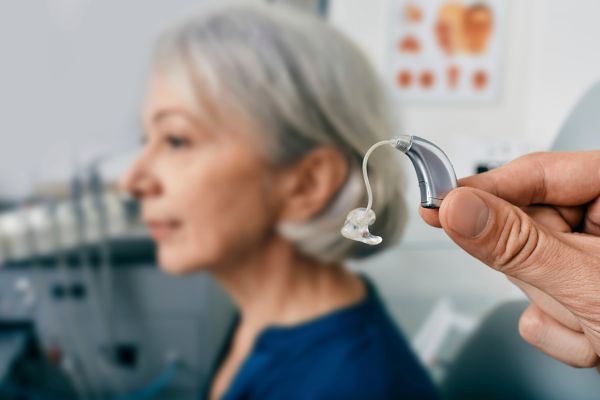
Sometimes prevention also means accepting support at the right time. Hearing aids or assistive listening devices can make daily life easier for many elderly adults. Some people resist them because they feel embarrassed or believe hearing aids are only for severe hearing loss. But modern hearing support can be discreet and helpful.
Using hearing aids does not weaken natural hearing. Instead, they can help the brain receive clearer sound. This may reduce listening fatigue and make conversations less stressful.
The adjustment period can take patience. Sounds may feel different at first. But with proper fitting, guidance, and regular use, many people find that hearing support helps them feel more involved in daily life again.
Creating a Hearing-Friendly Home
A few simple changes at home can make listening easier and reduce strain. Lowering background noise, keeping conversations in quieter rooms, using soft furnishings to reduce echo, and making sure rooms are well lit can all help.
For safety, elderly adults with hearing difficulty may benefit from visual alerts for doorbells, phones, alarms, or timers. Smoke alarms and emergency alerts should be easy to notice. Hearing protection is not only about conversation; it is also about staying aware of important signals.
A hearing-friendly environment supports independence. It helps older adults feel more comfortable and less dependent on others to interpret sounds around them.
Conclusion
Hearing loss in older age is common, but it should never be treated as something that does not matter. Hearing connects people to conversation, memory, safety, music, laughter, and everyday life. Protecting it is worth the effort.
Hearing loss prevention elderly adults can follow begins with simple but consistent care. Avoiding loud noise, keeping volume safe, getting hearing checks, managing earwax properly, reviewing medications, supporting circulation, and treating ear problems early all play a role. Just as important is creating a home and social environment where communication feels easier and more respectful.
Not every hearing change can be stopped, but many causes of further damage can be reduced. With awareness and steady care, elderly adults can protect their remaining hearing, stay more connected, and move through daily life with greater confidence. Good hearing health is not only about sound. It is about participation, dignity, and the quiet comfort of feeling included.