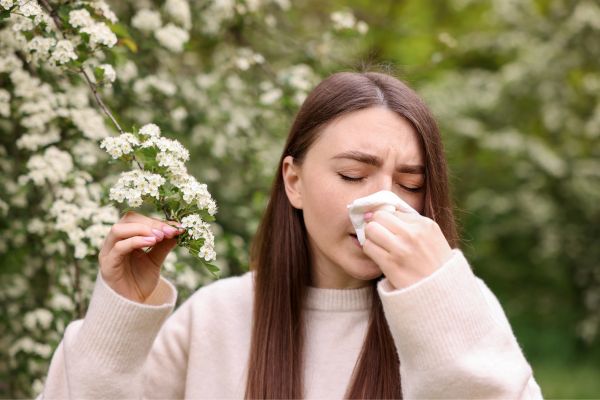

There is a certain kind of frustration that comes with seasonal allergies. One week, the weather feels fresh and full of promise. Trees begin to bloom, grass turns greener, and the air seems lighter. Then, almost overnight, the sneezing starts. Eyes begin to itch. The nose feels either blocked or constantly running, and a simple walk outside can feel like an invitation to discomfort.
Seasonal allergies are common, but that does not make them easy to live with. They can interrupt sleep, drain energy, affect concentration, and make ordinary days feel heavier than they should. The good news is that seasonal allergy relief is possible when you understand what triggers symptoms and how to manage them before they take over your routine.
Why Seasonal Allergies Happen
Seasonal allergies usually occur when the immune system overreacts to something in the environment. Pollen is one of the most common triggers. Trees, grasses, and weeds release tiny particles into the air, and when those particles enter the nose, throat, or eyes, the body may treat them as harmful invaders.
In response, the immune system releases chemicals such as histamine. This reaction can lead to sneezing, nasal congestion, watery eyes, itching, coughing, and sometimes fatigue. For some people, allergy symptoms are mild and short-lived. For others, they return every year with stubborn timing, making spring, summer, or fall difficult to enjoy.
The tricky part is that allergy seasons are not the same for everyone. Tree pollen is often more active in spring. Grass pollen tends to be stronger in late spring and summer. Weed pollen, including ragweed in many regions, can become a problem in late summer and fall. Weather also matters. Dry, windy days can carry pollen farther, while rain may temporarily clear the air.
Recognizing the Signs of Seasonal Allergies
Seasonal allergies can sometimes feel like a cold, but there are a few clues that make them different. Allergy symptoms often come on quickly after exposure to pollen or outdoor air. Sneezing may happen repeatedly, and itching is common, especially in the eyes, nose, or throat.
A cold usually develops more gradually and may come with body aches, fever, or thick mucus. Allergies, on the other hand, often linger as long as the trigger is present. If symptoms appear around the same time every year, seasonal allergies are likely involved.
Understanding the pattern matters because it helps you choose the right approach. Treating allergies only after symptoms become severe can feel like chasing the problem. A better strategy is to prepare early and reduce exposure whenever possible.
Start Relief Before Symptoms Get Worse
One of the most effective ways to manage seasonal allergies is to act early. Many people wait until they are already miserable before doing anything. By then, inflammation may already be active, and symptoms can be harder to calm down.
If you know your allergy season usually begins in a certain month, it can help to start preventive steps a little before symptoms usually appear. This may include checking pollen forecasts, keeping windows closed on high-pollen days, cleaning indoor spaces more often, and using allergy treatments recommended by a healthcare professional.
Seasonal allergy relief works best when it is consistent. Small daily habits can make a noticeable difference over time, especially during peak pollen periods.
Keep Pollen Out of Your Home
The home should feel like a break from outdoor allergens, but pollen often finds its way inside. It can stick to clothing, shoes, hair, pets, curtains, bedding, and furniture. Once indoors, it can continue to irritate the body even after you have left the outside environment.
A simple habit is to change clothes after spending time outdoors. Showering before bed can also help, especially during heavy pollen days, because pollen can collect in hair and transfer to pillows. Shoes should ideally be kept near the door instead of worn around the house.
Keeping windows closed during high-pollen periods may feel disappointing when the weather is nice, but it can reduce indoor exposure. Air conditioning, if available, can help circulate air without bringing in outdoor pollen. Regular vacuuming and washing bedding in warm water can also support a cleaner indoor environment.
Pay Attention to Pollen Counts
Pollen counts are not just numbers for weather reports. They can help you plan your day more comfortably. When pollen levels are high, outdoor activities may be better scheduled later in the day or after rain, depending on local conditions. Early morning can sometimes be a high-pollen period, especially for certain plants.
Windy days are usually more challenging because pollen spreads easily through the air. On those days, sunglasses can help protect the eyes, and a mask may reduce the amount of pollen inhaled during outdoor chores such as gardening or mowing.
You do not need to avoid the outdoors completely. That would make life feel smaller than it should. But knowing when pollen levels are high allows you to make smarter choices and reduce unnecessary exposure.
Nasal Rinsing Can Help Clear Irritants
Nasal rinsing is a simple method that many people find helpful during allergy season. It involves flushing the nasal passages with a saline solution to remove pollen, dust, and mucus. This can reduce congestion and make breathing feel easier.
The important thing is to use clean, safe water, such as distilled, sterile, or previously boiled and cooled water. The device should also be cleaned properly after use. While nasal rinsing is not a cure, it can be a useful part of a larger seasonal allergy relief routine, especially for people who feel blocked or irritated after outdoor exposure.
For some, rinsing once in the evening is enough. Others may use it more often during peak allergy days. Comfort and safety should guide the routine.
Over-the-Counter Options and When They Help
Many people use over-the-counter allergy medicines to manage symptoms. Antihistamines can help with sneezing, itching, and runny nose. Some are less likely to cause drowsiness than older types, which makes them easier to use during the day.
Nasal steroid sprays may help reduce inflammation and congestion when used regularly. They often work best after a few days of consistent use rather than immediately. Decongestants may provide short-term relief for stuffiness, but they are not suitable for everyone and should not be overused.
Eye drops can help with itchy or watery eyes, especially when symptoms are mainly eye-related. However, not every product is right for every person. People with high blood pressure, heart conditions, glaucoma, pregnancy, or those taking other medications should be more cautious and ask a healthcare professional before choosing allergy treatments.
Food, Hydration, and Daily Habits
Food will not magically remove seasonal allergies, but daily health habits can influence how the body feels during allergy season. Staying hydrated may help thin mucus and ease throat irritation. Warm drinks can be soothing when the throat feels scratchy.
Meals rich in fruits, vegetables, whole grains, and healthy fats support overall wellness. Some people notice that heavy, greasy meals make them feel more sluggish when allergies are already draining their energy. Lighter, balanced meals can feel easier on the body.
Sleep also matters. Allergy symptoms often become more frustrating when sleep is poor. Keeping the bedroom clean, washing pillowcases regularly, and showering before bed may reduce nighttime irritation. A cool, clean sleeping space can make rest more comfortable.
Managing Allergies During Outdoor Activities
Seasonal allergies should not mean giving up fresh air, exercise, or time in nature. Still, outdoor activities may need a little planning. If pollen is high, shorter outings may be better than long exposure. Wearing sunglasses can reduce pollen contact with the eyes, and washing the face after coming indoors can help remove particles from the skin and lashes.
Gardening, lawn mowing, and yard work can trigger symptoms quickly because they disturb pollen and mold spores. Wearing a mask and showering afterward can help. It may also be wise to avoid drying clothes or bedding outdoors during allergy season, since pollen can cling to fabric.
These steps may sound small, but allergies are often managed through small reductions in exposure. Each step removes part of the burden.
When Seasonal Allergies Need Medical Attention
Most seasonal allergies can be managed with lifestyle changes and common treatments, but some symptoms deserve more attention. If allergies interfere with sleep, work, school, or daily comfort for weeks at a time, it may be worth speaking with a healthcare provider.
Medical advice is also important if symptoms include wheezing, chest tightness, shortness of breath, frequent sinus infections, or severe headaches. Allergies can sometimes worsen asthma or contribute to ongoing sinus problems.
For people with persistent allergies, testing may help identify specific triggers. In some cases, allergy shots or under-the-tongue treatments may be discussed. These options are not instant fixes, but they may help reduce sensitivity over time for certain people.
Creating a Personal Allergy Routine
The best seasonal allergy relief plan is personal. What works beautifully for one person may not be enough for another. Someone with mild spring allergies may only need to check pollen counts and keep windows closed. Another person may need regular medication, nasal rinsing, and a stricter indoor routine.
A helpful approach is to track symptoms for a few weeks. Notice when they are worse, what the weather is like, whether you were outdoors, and how your body responds to different habits. Patterns often become clearer with time.
Once you understand your triggers, allergy season feels less random. You can prepare instead of simply reacting. That sense of control can make a big emotional difference, too.
Conclusion
Seasonal allergies can make beautiful times of year feel uncomfortable, but they do not have to control your daily life. Relief often comes from a combination of smart habits: reducing pollen exposure, keeping indoor spaces cleaner, watching pollen counts, rinsing nasal passages safely, and using appropriate treatments when needed.
A realistic seasonal allergy relief routine does not need to be complicated. It simply needs to be consistent and suited to your symptoms. With a little planning and attention, allergy season can become easier to manage, leaving more room to enjoy the weather, the changing seasons, and the ordinary comfort of breathing clearly again.